In today’s digital financial world, credit cards and loans play an important role in helping individuals manage expenses, build credit history, and achieve financial goals. Whether you are buying a home, starting a business, or handling emergency expenses, understanding how credit and loans work is essential for financial success.
This guide will help you learn about different types of credit cards, loans, benefits, risks, and smart financial strategies.
🏦 What Are Credit Cards?
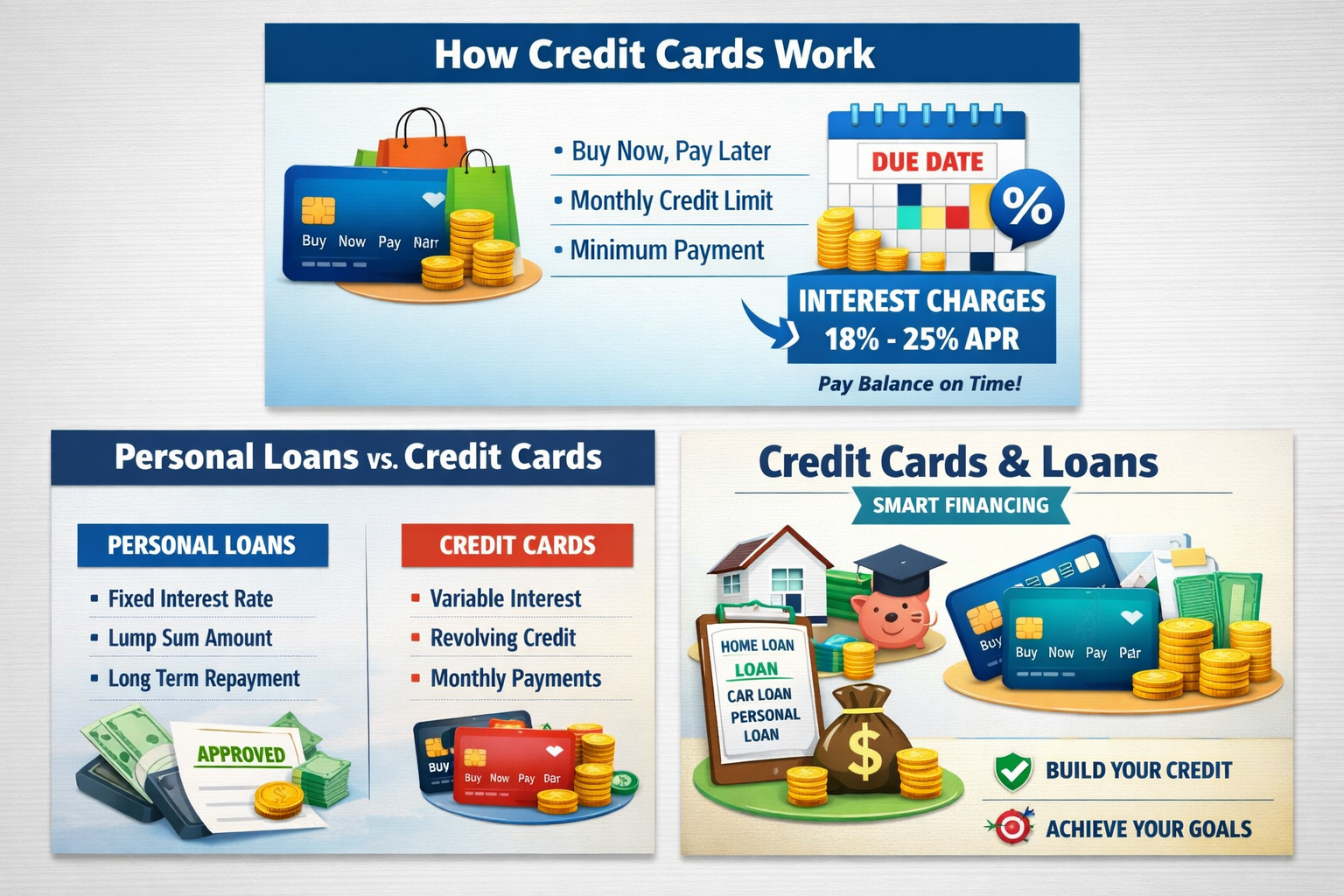
A credit card is a financial tool issued by banks and fintech companies that allows users to borrow money up to a certain limit to make purchases.
Users must:
- Repay borrowed money within a billing cycle
- Pay interest if they fail to pay full balance
Credit cards are popular because they provide:
- Convenience
- Cashback rewards
- Credit score improvement opportunities
⭐ Types of Credit Cards
💼 Rewards Credit Cards
These cards offer rewards such as:
- Cashback on shopping
- Travel points
- Discounts on online purchases
Rewards cards are popular among frequent shoppers and travelers.
✈️ Travel Credit Cards
Travel cards provide benefits such as:
- Airline miles
- Hotel discounts
- Airport lounge access
These cards are ideal for people who travel frequently.
🧾 Student Credit Cards
Designed for students with little or no credit history.
Benefits include:
- Low fees
- Credit building opportunities
- Financial education features
🔒 Secured Credit Cards
These require a security deposit and are useful for:
- Building credit history
- Recovering from bad credit scores
💰 What Are Loans?
A loan is borrowed money from banks, fintech lenders, or financial institutions that must be repaid with interest over time.
Loans are commonly used for:
- Buying homes
- Purchasing vehicles
- Paying education expenses
- Handling emergencies
🏠 Types of Loans
🏡 Home Loans (Mortgages)
Home loans are used to purchase property.
Benefits:
- Long repayment periods
- Lower interest compared to personal loans
Mortgage loans are one of the largest financial commitments people make.
🚗 Auto Loans
Auto loans help people buy vehicles.
Features include:
- Fixed monthly payments
- Vehicle used as collateral in some cases
🎓 Student Loans
Student loans help finance education expenses.
Common uses:
- Tuition fees
- Books and living expenses
Some loans offer flexible repayment options after graduation.
💼 Personal Loans
Personal loans are flexible loans used for:
- Medical expenses
- Debt consolidation
- Emergency needs
They usually have higher interest rates compared to secured loans.
📊 Benefits of Credit Cards and Loans
✔ Helps build credit history
✔ Provides financial flexibility
✔ Supports large purchases
✔ Offers reward programs
✔ Helps manage cash flow
Good credit management can improve loan approval chances in the future.
⚠️ Risks of Credit Cards and Loans
❌ High interest rates if balances are unpaid
❌ Late payment penalties
❌ Debt accumulation
❌ Damage to credit score
Managing finances responsibly is very important.
🧠 Tips for Smart Financial Management
✅ Pay Bills on Time
Late payments negatively affect credit score.
✅ Keep Credit Utilization Low
Try to use less than 30% of your credit limit.
✅ Compare Loan Interest Rates
Always compare multiple lenders before applying.
✅ Read Terms and Conditions
Understand fees and hidden charges.
🌍 Digital Banking & Modern Lending
With the growth of fintech technology, many people now use:
- Mobile banking apps
- Online loan approval platforms
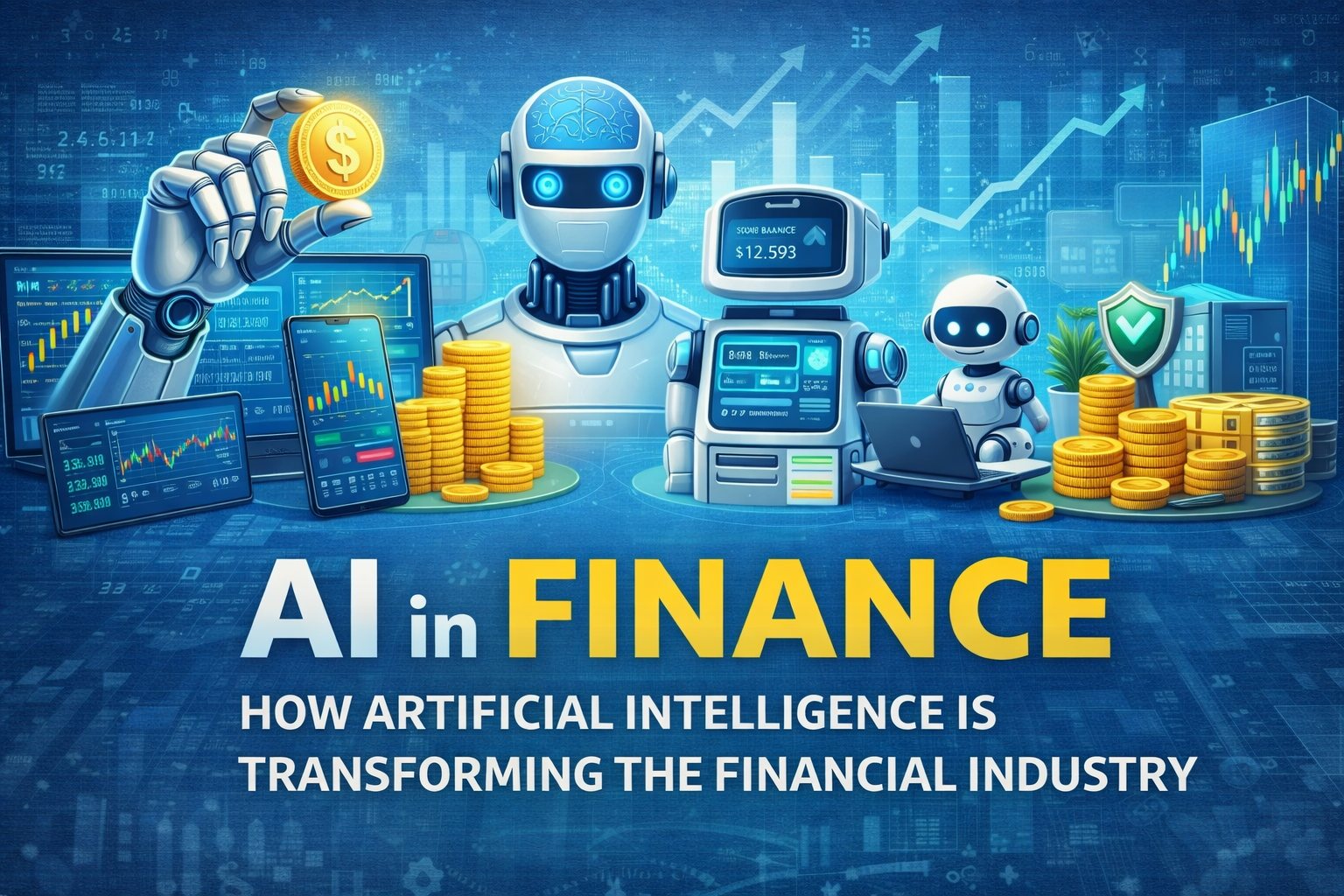
- AI-based credit scoring systems
These technologies make financial services faster and more accessible.
🔥 Future of Credit Cards and Loans
Financial technology is transforming lending through:
- AI credit evaluation
- Instant loan approvals
- Digital-only banking services
- Cryptocurrency-based financial solutions
🏆 Conclusion
Credit cards and loans are powerful financial tools when used wisely. They help people manage expenses, build credit, and achieve financial independence. However, responsible borrowing and smart money management are essential to avoid debt problems.